The Ultimate Vegan Meal Prep Formula
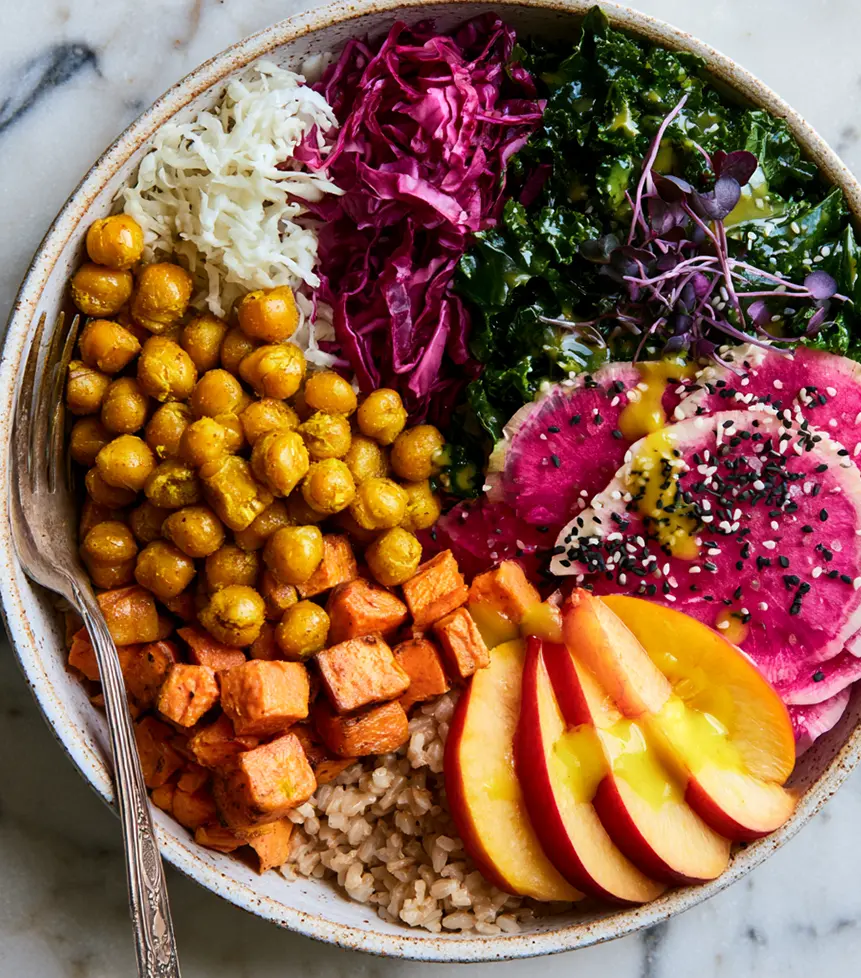
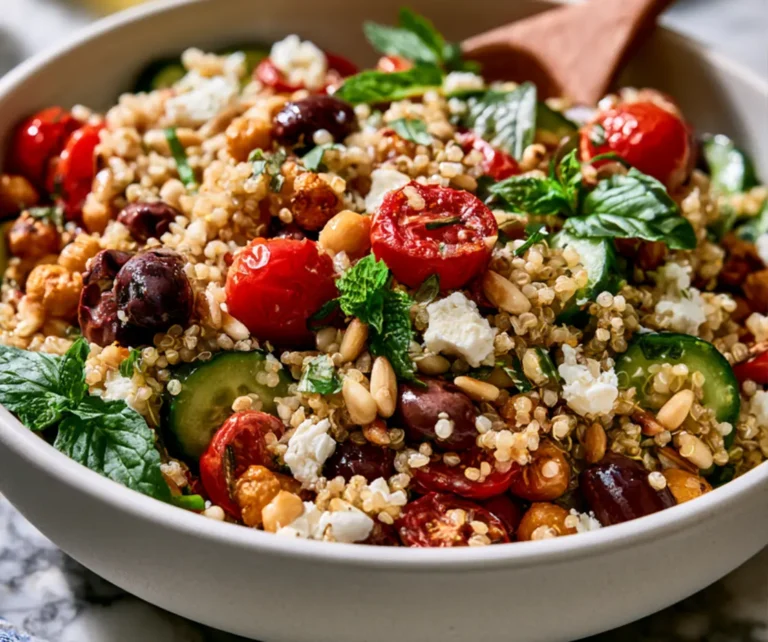
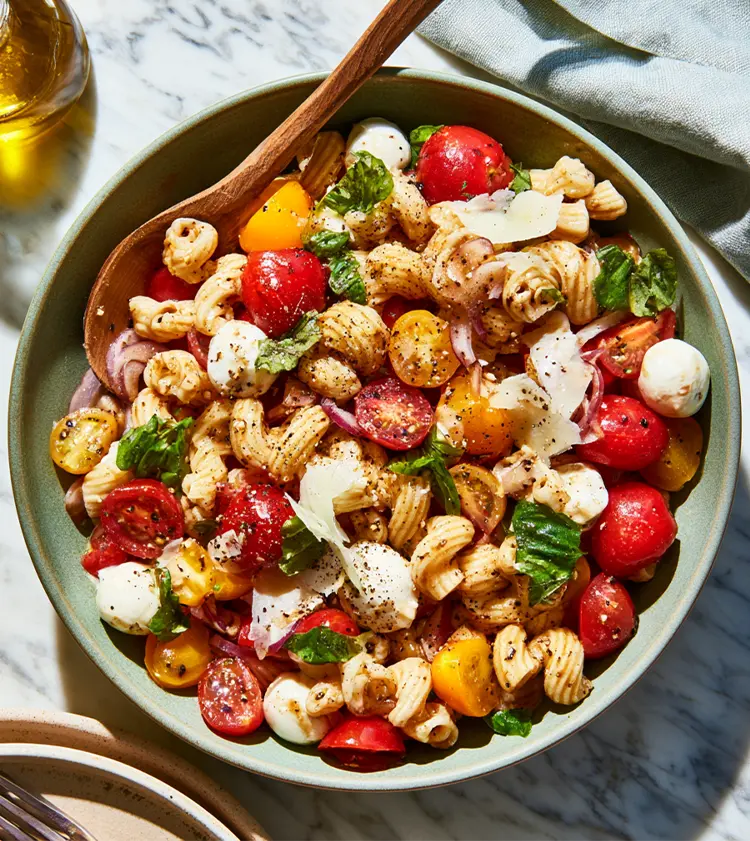
This isn’t one single dish — it’s a flexible meal prep formula for building an entire week of plant-based breakfasts, lunches, and dinners in just a couple of focused hours. Instead of cooking from scratch every single night, you batch-cook a handful of core components on the weekend — a whole grain, a plant protein, roasted vegetables, and one versatile sauce — and then mix and match them into completely different meals throughout the week.
The same base ingredients can become a grain bowl on Monday, a wrap on Tuesday, and a quick soup add-in on Wednesday, simply by changing the sauce, the seasoning, or how everything is arranged in the container. This approach works just as well for overnight-oats-style breakfasts and freezer-friendly soups as it does for grab-and-go lunch bowls, and none of it relies on meat or dairy. It’s less a single recipe and more a repeatable system — one that turns “what am I going to eat this week” into a solved problem before Monday even starts.
Ingredients
The strength of this formula is that it’s built from flexible categories rather than one fixed shopping list, so you can adapt it to the season, your budget, and whatever is already sitting in your pantry. A well-stocked vegan meal prep week usually pulls from these groups:
- A whole grain base — brown rice, quinoa, farro, barley, or soba noodles, cooked in a big batch at the start of the week
- A plant-based protein — chickpeas, black beans, red or green lentils, tofu, or tempeh, which can be roasted, pan-seared, or simmered into a soup
- Roasted or raw vegetables — sweet potatoes, broccoli, kale, carrots, bell peppers, or whatever looks best at the market that week
- A make-ahead sauce or dressing — a tahini sauce, a peanut sauce, a cashew-based ranch, or a bright carrot-ginger dressing that keeps well in the fridge
- A breakfast component — rolled oats, chia seeds, or the ingredients for a savory tofu scramble, so mornings are covered too
- Pantry staples — canned tomatoes, vegetable broth, garlic, ginger, and warming spices for soups, curries, and chilis
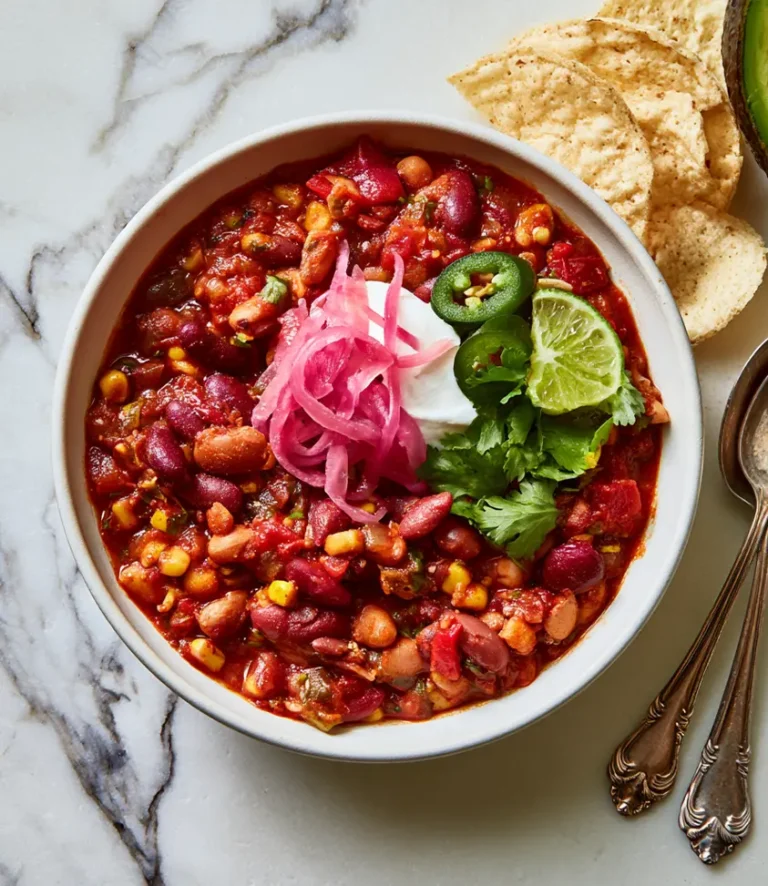
- Freezer-friendly extras — cooked black bean patties, falafel, or a pot of chili, all of which reheat well weeks later
Because none of these categories are locked in, the same formula can look completely different from one week to the next, depending on what’s in season or what you’re craving.
Why You’ll Love This Recipe
- It genuinely saves time. A couple of concentrated hours on a Saturday or Sunday translates into grab-and-go meals for the entire week, so there’s no scrambling to figure out dinner on a busy Tuesday night.
- It’s naturally balanced and healthy. Built around whole grains, legumes, and vegetables, this style of eating is high in fiber and plant protein without needing a single animal product.
- It’s endlessly customizable. Swap quinoa for rice, tofu for tempeh, or kale for spinach — the structure of the formula stays the same even as the specific ingredients change with the seasons.
- A lot of it freezes beautifully. Soups, chilis, burritos, and veggie burgers can go straight into the freezer, which means a home-cooked backup meal is always just a reheat away.
- It cuts down on last-minute takeout. When a healthy, already-prepped option is sitting in the fridge, it’s much easier to skip the delivery app and eat something nourishing instead.
- It reduces food waste. Because vegetables are roasted and grains are cooked in planned batches, less produce goes forgotten and soft at the bottom of the crisper drawer.
Method
- Pick your components for the week. Choose one whole grain, one plant protein, two or three vegetables, and one sauce. Keeping the list short makes shopping and cooking much faster.
- Cook the grains and protein at the same time. Simmer your rice, quinoa, or lentils on the stovetop while tofu, tempeh, or chickpeas roast or pan-sear in the oven — this lets two components finish together with minimal hands-on effort.
- Roast the vegetables. Toss them in oil, salt, and your favorite spices, then roast at a high temperature until caramelized at the edges. This step is where most of the flavor in the whole week comes from.
- Blend one big batch of sauce. A tahini, peanut, or cashew-based sauce will keep in the fridge for up to a week and can dress grain bowls, salads, noodles, and sandwiches alike.
- Prep breakfast separately. Set up a batch of overnight oats or chia pudding in individual jars so breakfast is ready to grab without any extra thought each morning.
- Portion everything into containers. Divide the grains, protein, and vegetables into meal-sized containers, but keep sauces and delicate toppings in separate small containers so nothing goes soggy before you’re ready to eat.
- Freeze anything you won’t finish within four or five days. Soups, burritos, and burger patties all hold up well in the freezer, giving you a second wave of meals for a future busy week.
Tips
- Keep sauces and dressings separate from grains and greens until you’re actually ready to eat — this keeps salads crisp and bowls from turning mushy in the fridge.
- Add delicate ingredients last. Avocado, fresh herbs, and anything meant to be crispy should go on right before serving, not during the prep session itself.
- Double soups and chilis whenever you make them. The extra batch freezes well and gives you an instant backup dinner with zero extra effort later on.
- Rotate your sauce each week. Keeping the same base ingredients — rice, chickpeas, roasted vegetables — but changing the sauce is the easiest way to avoid flavor fatigue.
- Use glass containers for reheating and freezer-safe bags for anything headed to the freezer, since this saves space and prevents plastic from warping in the microwave or oven.
- Label and date everything you freeze. A simple piece of tape with the date keeps meals from getting lost and forgotten at the back of the freezer for months.
- Start small if you’re new to meal prepping. Pick just two or three recipes to prep for the first week rather than trying to plan every single meal — it’s easier to build the habit gradually than to overhaul your whole routine at once.