Garlicky Sautéed Cabbage with Apple Cider Vinegar
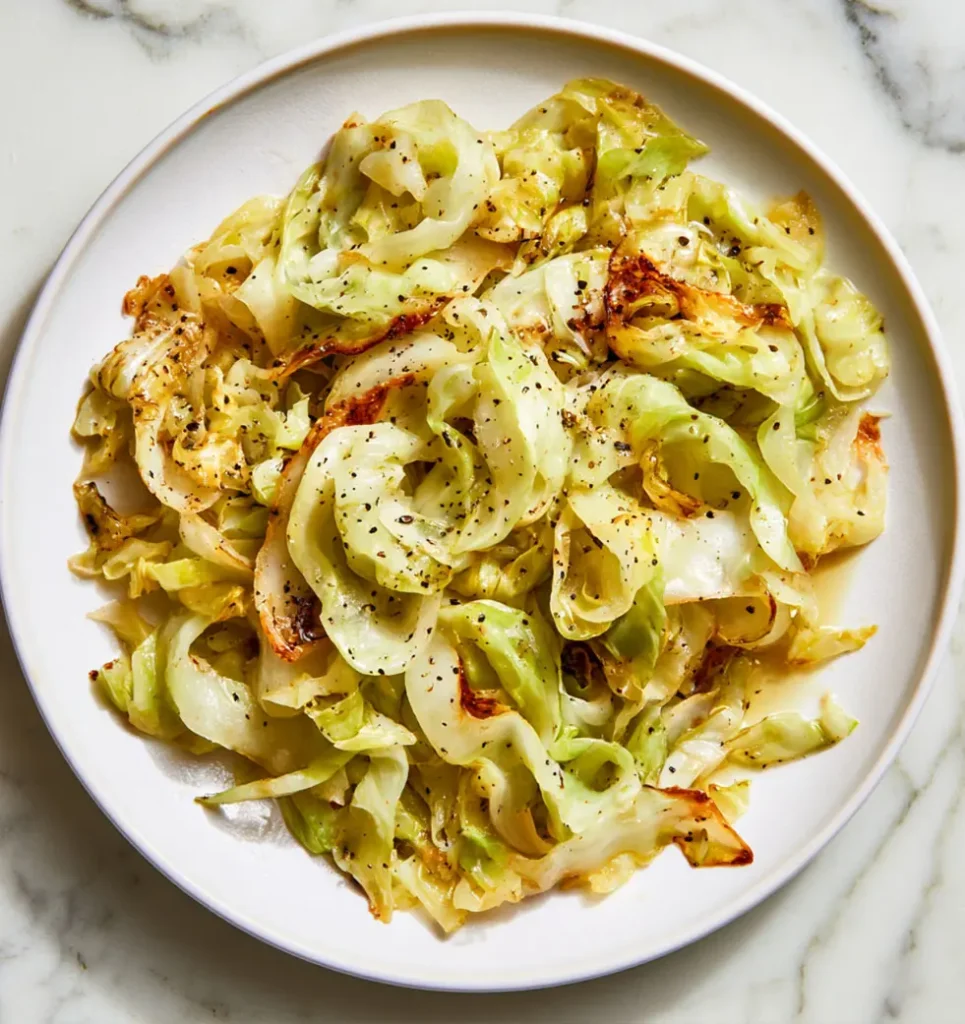
Sautéed cabbage is a humble dish that shows how satisfying simple cooking can be. Thin ribbons of green cabbage are cooked in a hot skillet with olive oil until they soften, turn sweet, and pick up golden, crispy edges. Minced garlic adds warmth, and a splash of apple cider vinegar at the end gives the dish a bright, tangy finish that wakes up the whole pan.
Nothing about it is complicated. There is no sauce to whisk, no long simmer, and no special equipment. It turns a whole head of cabbage into something you will want to finish. That matters, because cabbage is the vegetable many of us buy with good intentions and then forget at the back of the fridge. Serve it beside roasted vegetables, grilled fish, lentils, or a fried egg, or pile it over rice for an easy, filling meal.
Ingredients
Serves 4 as a side dish
- 1 medium head green cabbage (about 2 pounds), quartered, cored, and thinly sliced
- 3 tablespoons extra-virgin olive oil
- 4 garlic cloves, finely minced
- ¾ teaspoon fine sea salt, plus more to taste
- ½ teaspoon freshly ground black pepper
- 1 to 2 tablespoons apple cider vinegar
- Optional finishers: red pepper flakes, toasted sesame seeds, chopped fresh parsley, or a squeeze of lemon
How to Prepare
1. Prep the cabbage. Peel away any wilted or damaged outer leaves. Cut the head into quarters through the stem, then slice out the dense white core from each wedge. Lay each quarter flat and slice it crosswise into ribbons about a quarter inch wide. Toss the ribbons with your hands to loosen the layers.
2. Heat the pan. Pour the olive oil into a large, wide skillet or Dutch oven and warm it over medium-high heat until it shimmers. Use the biggest pan you own. The pile of cabbage will look like far too much at first, but it shrinks dramatically as it cooks.
3. Cook in two rounds. Add half of the cabbage and let it sit undisturbed for a minute or two, so the bottom starts to brown. Once it begins to wilt, add the rest and sprinkle with the salt. Cook for 8 to 10 minutes, stirring every minute or so, until the cabbage is tender and some of the edges are deeply golden.
4. Add the garlic. Push the cabbage toward the edges of the pan and put the garlic in the cleared center. Stir it for about 30 seconds, just until fragrant, then mix it through the cabbage. Adding garlic near the end keeps it sweet instead of bitter.
5. Finish and season. Turn off the heat. Drizzle in one tablespoon of vinegar, add the black pepper, and toss well. Taste, then add more vinegar or salt if needed. Serve warm, with any of the optional finishers on top.
Why You’ll Love It
First, it is fast. From cutting board to table, the whole dish takes about 20 minutes, which makes it a dependable weeknight rescue when you need a vegetable and have little energy left.
Second, it is inexpensive. One head of cabbage costs very little and stretches a long way, so this recipe works for tight grocery budgets and big families alike. Cabbage also keeps well in the fridge, so you can buy it ahead without worrying that it will spoil.
Third, the flavor is far better than the short ingredient list suggests. Hot oil draws out the natural sweetness of the cabbage, the browned edges add savory depth, and the vinegar balances everything with a gentle tang. Even people who claim to dislike cabbage often change their minds, especially if their only experience is the boiled kind.
It is also a nutritious choice. Cabbage is a good source of fiber, vitamin C, and vitamin K, and it is naturally low in calories. As written, the dish is vegan, gluten-free, and dairy-free, so it fits almost any table.
Finally, it is endlessly adaptable. Once you know the basic method, you can take it in a dozen directions without changing the technique.
Tips
- Slice evenly. Ribbons of similar thickness cook at the same pace. Too-thick pieces stay crunchy while thin ones turn mushy.
- Don’t crowd the pan. If the cabbage is packed too tightly, it steams instead of browning. Cook in two batches if your skillet is small.
- Be patient with the heat. The caramelized edges are where much of the flavor comes from, so resist stirring constantly.
- Add the acid last. Vinegar loses its brightness when cooked for a long time. Stirring it in off the heat keeps the flavor fresh and lively. A squeeze of lemon works if you want a different kind of tang.
- Try other cabbages. Red cabbage takes slightly longer and gives a vivid color. Savoy is more tender and ruffly. Napa cabbage cooks in just a few minutes, so reduce the time accordingly.
- Change the flavor. Stir in a spoonful of Thai red curry paste, a pinch of caraway seeds, or a teaspoon of chili paste. Top with chopped peanuts, toasted nuts, or crumbled feta for extra richness and crunch.
- Make it a meal. Toss in cooked chickpeas, white beans, or sliced sausage during the last few minutes. Serve over rice, noodles, or mashed potatoes.
- Store it well. Refrigerate leftovers in an airtight container for up to four days. Reheat in a hot skillet to bring back some of the texture, or enjoy it cold in sandwiches, tacos, and grain bowls.